
OnlyFans Subscription Price Tiers: What $5 Buys
OnlyFans does not publish a single price for subscriptions. Each creator sets their own monthly rate, and the platform simply charges whatever that creator chooses. That range runs from $0 on free pages up to $49.99 at the top end, with most paid pages sitting between $4.99 and $15.
This article looks at the common price bands, what they tend to include, and how to compare the number on the button against the access you actually receive. The goal is not to find the cheapest page, but to work out whether a given tier fits how you use the platform.
A $5 subscription is not automatically worse than a $25 one, and a $25 page is not automatically better. Price reflects a creator’s decision, not a quality score. Treating the price tag as a ranking signal is the most common mistake subscribers make.
The five common price bands on OnlyFans
In practice, almost every subscription you encounter falls into one of five bands. Knowing them makes it easier to scan a profile page and predict what kind of page you are looking at before you pay.
- $0: Free pages. No subscription charge at all. The creator earns through pay-per-view messages and tips instead.
- $4.99-$7.99: The entry paid tier. This is the most crowded band and often used for promotional first months.
- $8.00-$15.00: The typical paid page. Most paid subscriptions land here, with averages running $5-$10 overall.
- $15.01-$29.99: Higher tiers that usually promise more frequent posting or more direct messaging access.
- $30.00-$49.99: Premium tiers. The maximum a subscription can cost on the platform is $49.99.
There is no base price below $4.99 for a standing subscription. Only promotional first months may dip under that figure, and the price returns to its normal level afterwards.
What each band usually includes
Price bands are not rules, but they do correlate with how a page operates. The table below maps the bands to the patterns subscribers report most often. Use it as a starting expectation, not a guarantee.
| Price range | Typical post frequency | Common media types | Message access |
| $0 | Variable, often promotional | Teaser posts, locked PPV messages | Open, but most content is paid per message |
| $4.99-$7.99 | Several posts per week | Photos and short clips | Limited replies, mass messages common |
| $8.00-$15.00 | Daily or near-daily | Photos, clips, occasional longer video | Regular replies, some 1-to-1 messaging |
| $15.01-$29.99 | Daily | Mixed media, scheduled drops | More direct messaging, sometimes priority |
| $30.00-$49.99 | Daily, sometimes multiple | Full media library, early access | Close messaging access as described by creator |
A free page is not a cheap version of a paid page. It is a different business model, where the subscription is replaced by pay-per-view and tips. That changes how you spend, not just how much.
Reading the price tag before you follow
OnlyFans has no built-in discovery feed or directory, so most subscribers arrive from outside links or ranking sites. That means the price you see may have been set months ago and may not reflect the current offer. Always check the date on any screenshot or listing before trusting it.
A page showing $4.99 in a directory could now be $12.99. Promotional first months expire, and creators adjust rates as their audience grows. The number on the subscribe button is the only figure that matters.
- The monthly subscription charge itself.
- Pay-per-view messages you are likely to open.
- Tips, which are optional but often encouraged.
- Renewal cost after any promotional first month ends.
Tip: before subscribing, note the exact price and the date. If a page is listed at a discount, assume the next month returns to full price unless the creator states otherwise in writing.
Promotional pricing versus standing price
Discounts are common and legitimate, but they create confusion. A first month at a reduced rate can make a page look cheaper than it is. The standing price is what you pay from month two onwards.
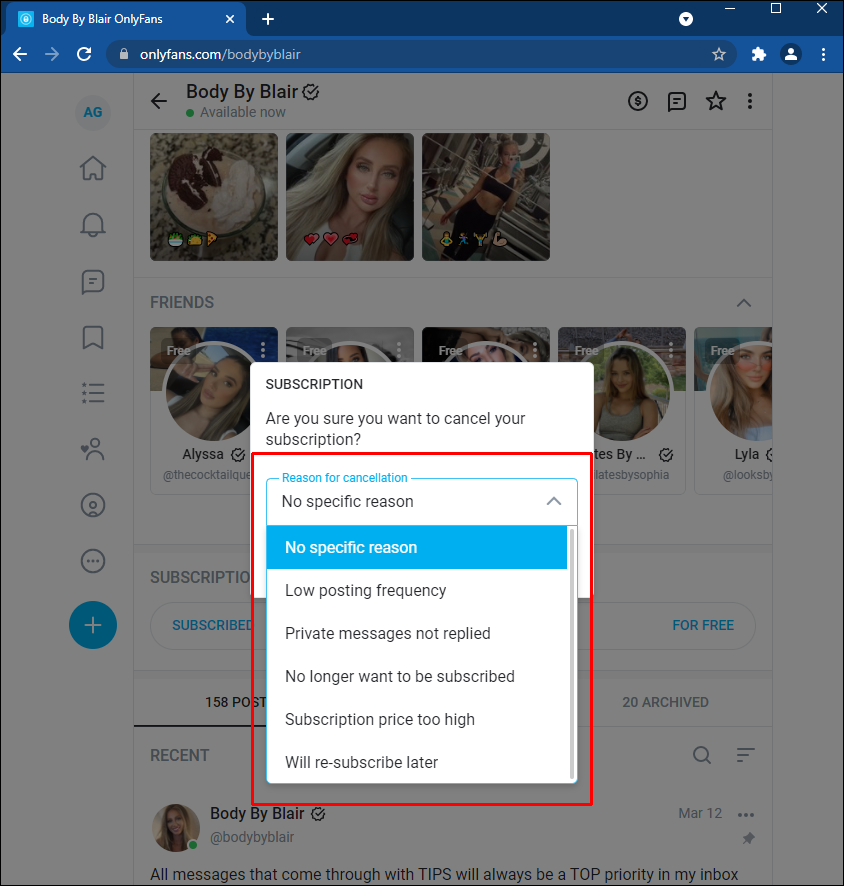
When a creator raises the subscription price, auto-renew stops automatically. Your existing access continues until the current paid period ends, then you decide whether to renew at the new rate. This protects you from silent increases, but it also means you must actively re-subscribe if you accept the change. For a starting point, best onlyfans earning collects free pages.
- The listing shows a price below $4.99, which only promotional months can do.
- The page describes a “first month” rate rather than a standard rate.
- The discount has a stated end date that has already passed.
- Recent reviews mention a price different from the one displayed.
If two of those signs appear together, treat the displayed price as temporary. Wait for a renewal notice before assuming the rate is fixed.
Where price tiers mislead subscribers
A low subscription price can produce a higher total spend than a mid-tier page. Free and cheap pages rely on pay-per-view messages and tips, so the subscription is only the entry point. Over a month, the extras often exceed what a $15 page would have cost.
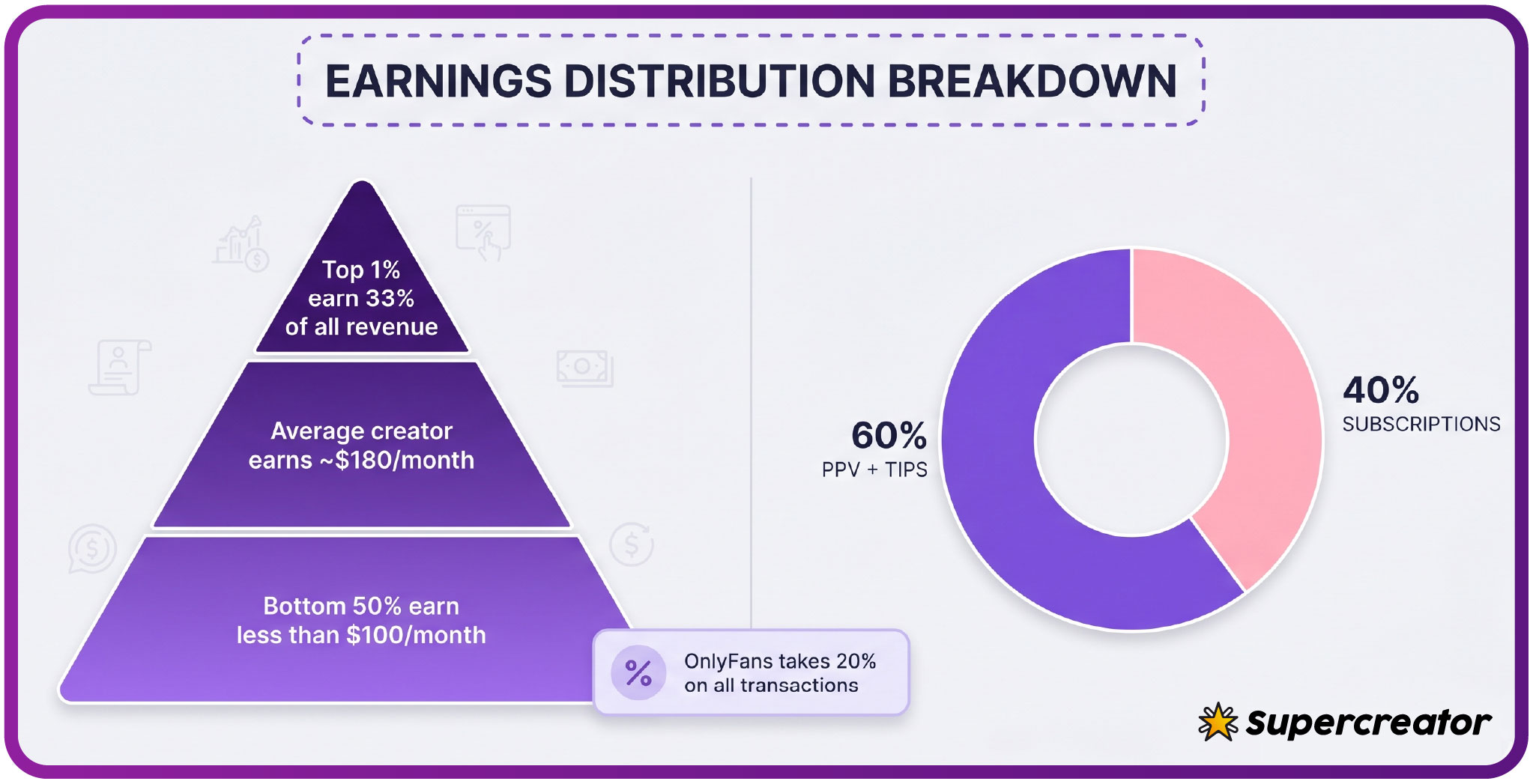
The platform takes a 20% fee on everything, including subscriptions, tips and pay-per-view. Creators keep 80%. That does not change your bill directly, but it explains why creators push paid messages so heavily on free pages.
- Assuming a $0 page is free to use. Most content is locked behind paid messages.
- Comparing headline prices without counting pay-per-view spending.
- Subscribing to several cheap pages at once instead of one that fits your habits.
- Forgetting that renewal prices may differ from the first month.
- Trusting a ranking site’s price without checking the live page.
Sites that track and compare pages exist precisely because the platform offers no directory. Some, like best onlyfans earning, publish comparisons that help subscribers see how pricing and output vary across creators. Use them as a starting point, then verify on the platform.
Comparing two pages at different price points
Value comparison works best when you apply the same criteria to both pages. The table below walks through a side-by-side check between a $5 page and a $20 page using identical questions.
| Criteria | Page A at $5 | Page B at $20 |
| Posts per week | Check the last 30 days | Check the last 30 days |
| Media mix | Photos only, or photos plus clips | Photos, clips, longer video |
| Pay-per-view frequency | Count locked messages received | Count locked messages received |
| Reply behaviour | Send one message, note response | Send one message, note response |
| Monthly total spend | Subscription plus unlocked content | Subscription plus unlocked content |
Run this check for one month on both pages. The cheaper page often loses once pay-per-view is included, but not always. The point is to compare totals, not headline prices.
Matching a price band to your habits
The right tier depends on how you use the platform, not on what other people pay. A subscriber who checks a page daily gets more from a $15 subscription than someone who opens it twice a month.
- How many times per week do you actually open the page?
- Do you want a full media library, or just occasional posts?
- Will you reply to messages, or ignore them?
- How many pay-per-view messages can you realistically afford each month?
- Is the renewal price acceptable if it stays the same for a year?
If you cannot answer these honestly, start at the lowest paid tier. Upgrading later is simple, while recovering overspend is not.
Recording what you pay and what you get
A simple log makes price comparison concrete. For the first month on any page, record the subscription price, the number of posts, the number of pay-per-view messages, and the total you spent. That last figure is the real cost.
After thirty days, divide total spend by the number of posts you actually viewed. That single number tells you whether a tier was worth it far better than the listed price does. Repeat for two or three pages and patterns appear quickly.
Platforms like BestOnlyFans aggregate price data across many pages, which helps with the initial shortlist. BestOnlyFans cannot tell you what a page will cost you personally, though, because that depends on your habits. BestOnlyFans listings are a starting filter; your own log is the final answer.
FAQ
Can a subscription cost less than $4.99?
No standing subscription can be priced below $4.99.
Why does auto-renew stop when a creator raises the price?
The platform turns off auto-renew when the subscription price changes. Your access continues until the current paid period ends, then you choose whether to renew.
Do free pages cost nothing at all?
Free pages have no subscription charge, but the creator earns through pay-per-view messages and tips. Your total spend can exceed a paid subscription.
How much does the platform take from each payment?
OnlyFans takes a 20% fee on subscriptions, tips and pay-per-view. The creator keeps the remaining 80% of each payment.